Why Next.js Helps SMEs Convert More Customers
See how Next.js helps SMEs build faster, search-ready customer journeys with server rendering, flexible content, strong performance and clear conversion paths.
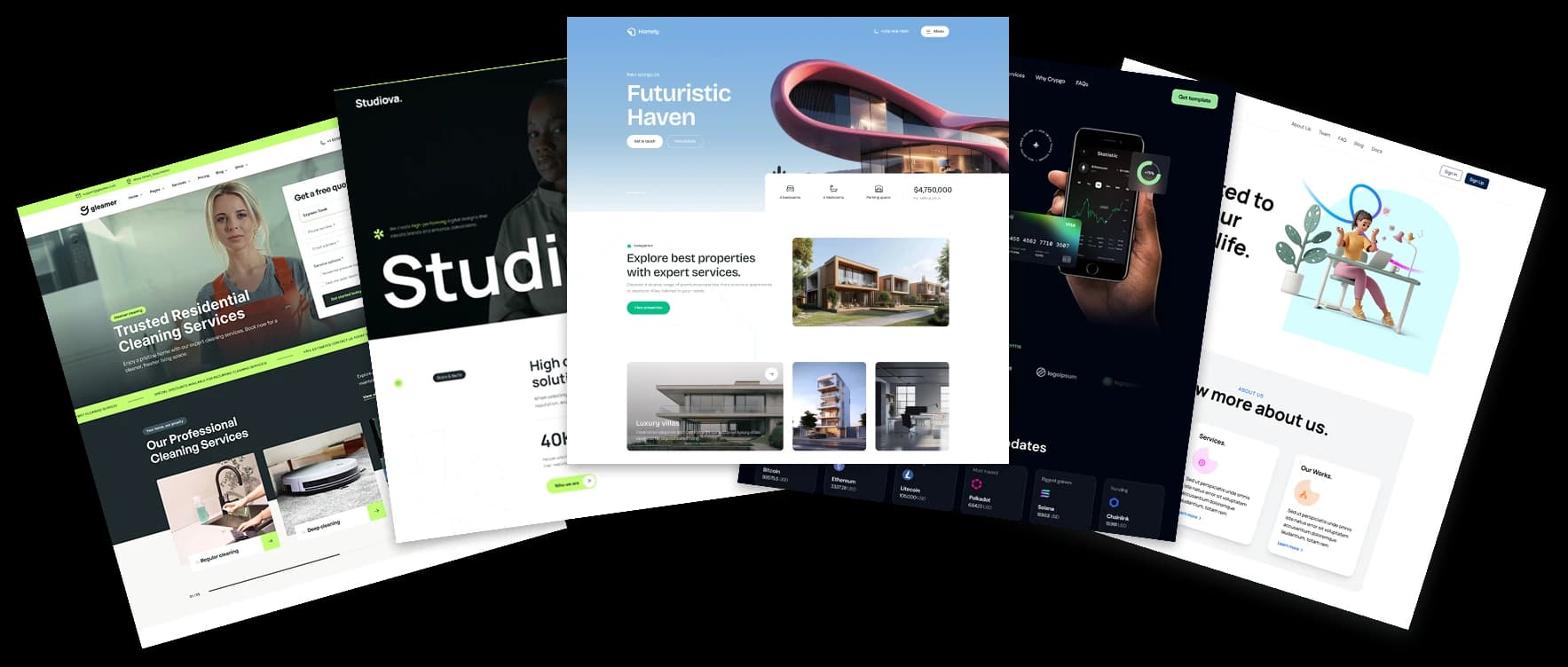
For a small or medium-sized business, a website is often the first sales conversation. It needs to explain the offer clearly, load reliably on mobile devices, answer buyer questions, and make the next step obvious.
Next.js can support that journey when it is paired with strong content, thoughtful design, and disciplined engineering.
Server-rendered content supports discovery
Important page content can be rendered on the server or generated ahead of time. Search crawlers and users receive meaningful HTML immediately, including headings, service information, internal links, and metadata.
This does not guarantee rankings, but it creates a strong technical foundation for crawlability and indexation.
Performance can be designed around the customer journey
Next.js provides image optimization, font tooling, route-level code splitting, caching options, and several rendering strategies. These tools help teams focus resources on what the visitor needs first.
For an SME website, that usually means:
- A clear value proposition in the initial viewport.
- Fast access to service, product, and location information.
- Stable layouts that do not move while loading.
- Simple contact, enquiry, or purchase actions.
Framework features create the opportunity for speed. Real performance still depends on image choices, third-party scripts, content structure, hosting, and ongoing measurement.
Flexible content supports marketing
Next.js can connect to a headless CMS, commerce platform, CRM, or custom database. A business can publish landing pages, case studies, resources, and product information without rebuilding the underlying experience.
This flexibility is useful for campaigns because the team can create intent-focused pages while preserving shared navigation, analytics, structured data, and brand components.
Conversion measurement becomes part of the build
A high-performing sales website needs more than a contact button. Teams should define meaningful events such as qualified enquiries, booking starts, completed purchases, brochure downloads, or WhatsApp conversations.
Those signals help the business understand which pages and search queries support revenue. The findings can then guide content updates and product improvements.
Is Next.js right for every SME?
Not always. A simple hosted website builder may be enough for a small brochure site with limited customization. Next.js becomes more valuable when performance, custom workflows, integrations, content scale, or long-term product development matter.
ICONNIX LK uses Next.js where it fits the business case, then combines it with search-ready content, accessible interface design, performance testing, and maintainable software architecture.

ICONNIX LK Editorial Team
Software Engineering Insights
Practical guidance from the ICONNIX LK team on building accessible, search-ready, high-performance digital products.